How Sales and Marketing Alignment Drives Revenue Growth
2026-05-28
What Does a Marketing Consultant Actually Do?
2026-06-13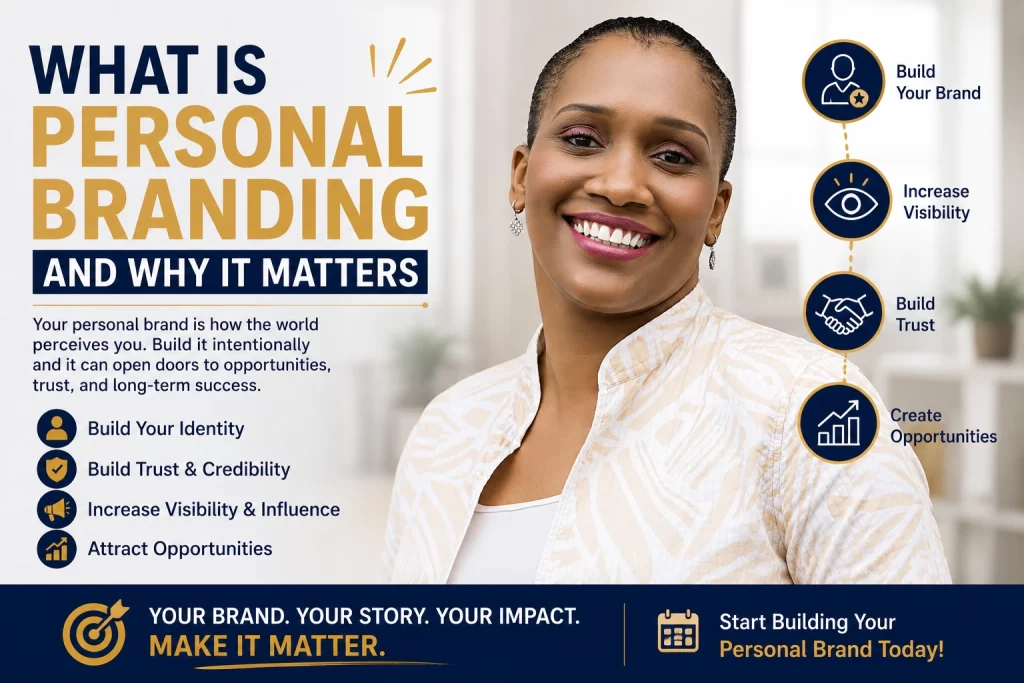
What Is Personal Branding and Why It Matters
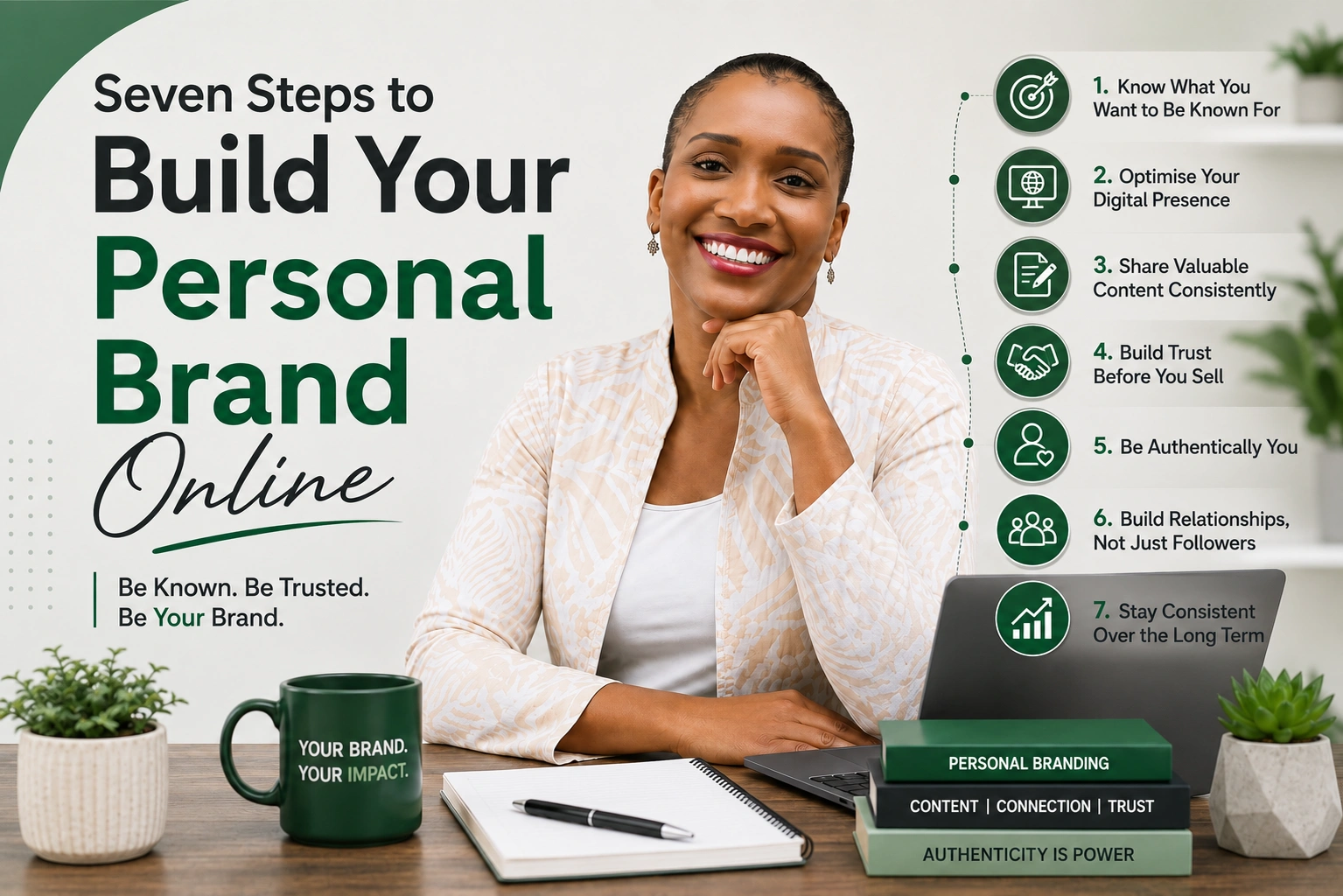
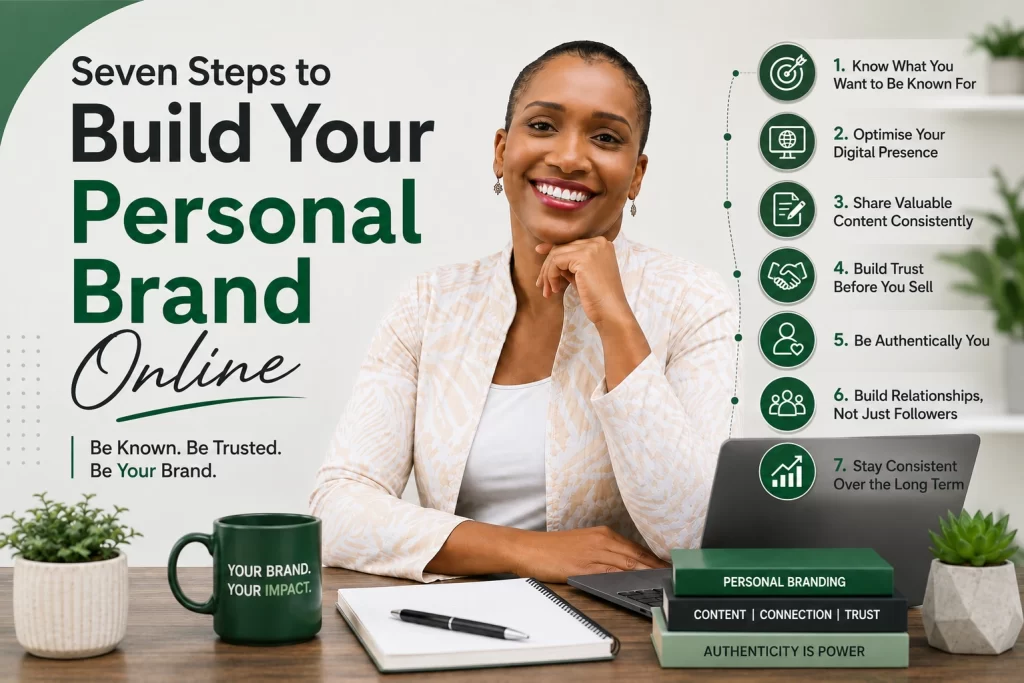
Over the last five to six years, particularly during and after the pandemic, I began to study personal branding much more deeply. Although my background has always been rooted in marketing, I realised that in today’s digital economy, personal branding is no longer optional. It is one of the most important tools professionals and entrepreneurs can develop if they want to remain visible, competitive, and relevant.
What Is Personal Branding?
Personal branding is the intentional and strategic process of shaping public perception about who you are, both professionally and personally. It is not simply about having a logo, posting online, or becoming an influencer. Personal branding is really the combination of your reputation, your expertise, your story, your values, your personality, and how consistently you communicate all of those things to the world.
Essentially, your personal brand is your differentiator. It is what makes you stand out in crowded industries and digital spaces where many people may offer similar products, services, or qualifications. In today’s world, people are constantly searching online for marketers, consultants, lecturers, freelancers, coaches, and entrepreneurs. Your personal brand is what helps people decide why they should pay attention to you specifically.
One of the most important things I always tell people is that personal branding exists both online and offline. The way you show up online should directly reflect how you show up in person. Your communication, professionalism, energy, values, and personality should feel aligned whether someone encounters you through LinkedIn, Instagram, a networking event, or a face-to-face meeting. Consistency matters because people connect with authenticity.
That is why personal branding has to be intentional. You must think carefully about how you want to be perceived, what you want to be known for, and how you want people to experience you. Before building a personal brand, there needs to be clarity around who you are, what you stand for, and the value you bring.
Your Personal Brand Is Your Competitive Advantage
There are thousands of professionals and entrepreneurs operating online today. There are countless marketers, consultants, speakers, coaches, and creatives all competing for attention in the same digital spaces. So the question becomes: what makes someone choose you?
This is where personal branding becomes powerful.
Your personal brand helps position you as a subject matter expert. It helps build visibility, trust, and credibility over time. In many cases, people may discover your content or your online presence long before they ever speak to you directly. Through your personal brand, they begin forming opinions about your expertise, professionalism, personality, and values.
And the truth is, modern marketing has evolved significantly. People are no longer only buying products and services. They are buying into people, stories, personalities, and experiences. People connect emotionally with founders and professionals before they connect with businesses themselves. That is why many influential founders today have larger followings than the companies they created.
People trust people first.
Why Personal Branding Matters in the Caribbean
Globally, we can easily identify major personal brands like Oprah Winfrey, Tony Robbins, Gary Vaynerchuk, and Mel Robbins. These individuals have built entire ecosystems around their personal brands through books, websites, speaking engagements, partnerships, media opportunities, online communities, and businesses.
However, in the Caribbean, I believe we have still not fully utilised personal branding as strategically as we could. Caribbean societies are highly relationship-oriented. People want to know who they are doing business with before they buy from you, collaborate with you, hire you, or recommend you to others. Trust and relationships matter deeply within our culture.
Because of this, personal branding becomes incredibly important for Caribbean professionals and entrepreneurs. When done well, it helps build trust and credibility, differentiate you from competitors, strengthen relationships, and increase visibility within your industry. It allows people to feel connected to you before they even meet you.
Personal Branding Can Bulletproof Your Career
One of the biggest lessons I have personally learned is that building a strong personal brand can create career resilience and open doors that you may never have imagined.
When I relocated to Da Nang, Vietnam, I quickly realised how valuable my digital presence had become. Businesses, universities, and professionals began reviewing my LinkedIn profile and online content, and because I had already established visibility and credibility online, it became easier to negotiate opportunities for collaboration, consulting, and teaching in an entirely different region of the world.
That experience reinforced something I now tell professionals all the time: build your personal brand before you need it.
We are living in a time where industries are changing rapidly because of artificial intelligence, economic uncertainty, restructuring, downsizing, and global competition. Qualifications alone are no longer enough. Professionals need visibility, credibility, and strong professional networks. Building a personal brand helps create that foundation and gives you greater career resilience in uncertain times.
Personal Branding Gives You Control of Your Narrative
Another major advantage of personal branding is that it allows you to shape and control your own narrative. Instead of allowing people to define who you are professionally, you intentionally communicate your expertise, values, personality, and skill set to the world.
In today’s digital environment, people often form opinions about you online before ever meeting you in person. Your LinkedIn profile, your website, your social media presence, your photos, your content, and even the way you communicate all contribute to how people perceive you.
Whether intentional or not, you already have a personal brand. The real question is whether you are actively shaping it.
When you become intentional about your personal brand, you gain greater control over your image, your messaging, and the professional identity you want to project.
Personal Branding Makes Networking Easier
One thing I noticed after consistently building my personal brand over the years is that networking became much easier and more natural. People already recognised me when I entered rooms. Many people already understood what I did before I even introduced myself. Conversations became easier to start, relationships developed faster, and there was often an immediate sense of familiarity and relatability.
This is one of the hidden powers of personal branding. When people repeatedly see your content, your expertise, your story, and your personality online, they begin to feel connected to you. That familiarity creates trust, and trust creates opportunities.
Over time, your personal brand can help attract referrals, partnerships, collaborations, speaking opportunities, clients, and professional relationships because people feel as though they already know you.
Your Personal Brand Can Grow Beyond Borders
One of the greatest advantages of personal branding today is that opportunities are no longer confined to your own country. We now operate within a global digital economy where your expertise can reach people all over the world.
As someone now living and working in Vietnam while still collaborating with Caribbean businesses and professionals, I have seen firsthand how powerful this can be. Building my personal brand on platforms like LinkedIn has allowed me to connect with people and opportunities across Asia and beyond.
Your personal brand can create international visibility. It can open doors to remote work, global collaborations, speaking engagements, teaching opportunities, consulting projects, and partnerships with people you may never have encountered otherwise.
In many ways, your personal brand allows your reputation to travel ahead of you.
Personal branding is not about pretending to be someone you are not. It is about intentionally communicating who you already are, what you stand for, and the value you bring to the world. It is about visibility, credibility, trust, and differentiation.
In today’s digital economy, your personal brand may become one of your greatest professional assets because it influences how people perceive you, connect with you, trust you, and ultimately decide whether they want to work with you.
Whether you are an entrepreneur, freelancer, consultant, lecturer, executive, or corporate professional, investing in your personal brand is one of the smartest long-term decisions you can make.
Because people may forget your resume, but they will always remember your reputation.
Frequently Asked Questions
What does a marketing consultant do?
A marketing consultant analyzes a company’s marketing strategy, identifies areas for improvement, and develops plans to increase brand visibility, leads, and sales.
How can a marketing consultant help my business?
They provide expert insights, marketing strategies, and performance analysis to help businesses attract more customers and improve marketing ROI.
When should a business hire a marketing consultant?
Businesses should hire a marketing consultant when they need expert guidance, better marketing performance, or support with growth strategies.
What is the difference between a marketing consultant and a marketing agency?
A marketing consultant focuses on strategy and guidance, while a marketing agency often handles execution such as advertising campaigns and content creation.
Is hiring a marketing consultant worth it?
For many businesses, hiring a marketing consultant can improve marketing efficiency, clarify strategy, and drive better business results.