Beyond Borders: Rethinking the Digital Nomad Life for Caribbean Professionals
2026-04-03
What Is Personal Branding and Why It Matters
2026-06-09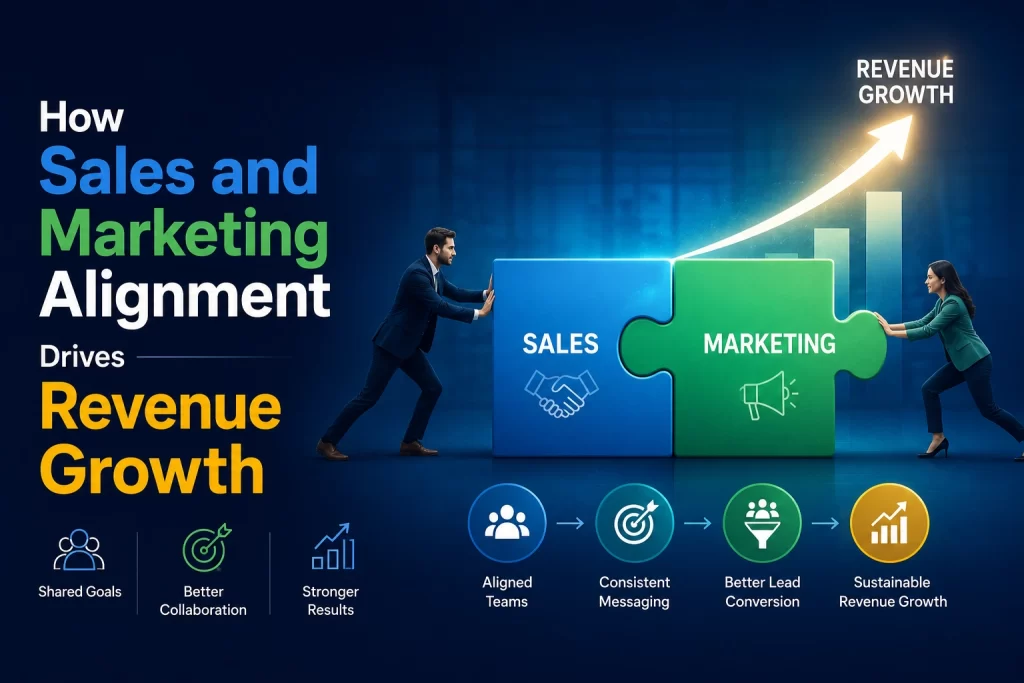
How Sales and Marketing Alignment Drives Revenue Growth
Recently, I conducted a sales training session with a company in Trinidad, and one of the biggest discussions that emerged was the disconnect between sales and marketing teams. It highlighted a challenge I have seen repeatedly across Caribbean businesses, regardless of industry.
During the session, sales representatives shared frustrations about being out in the field meeting customers, only to discover that marketing campaigns were promoting products, offers, or services they had little or no knowledge about. Customers were asking questions about promotions, pricing, or features that the sales team simply could not answer in real time.
The result?
Confusion. Delayed responses. Frustrated customers. Lost trust.
And perhaps most damaging of all, customers became aware of the internal communication gaps within the organization.
In today’s business environment, customers expect seamless experiences. They do not differentiate between the sales department and the marketing department. To them, the organization is one brand, one voice, and one experience. So when there is inconsistency between what marketing communicates and what sales delivers, it directly impacts customer confidence and ultimately revenue generation.
This is why sales and marketing alignment is no longer optional. It is essential.
The Caribbean Business Reality
In the Caribbean, our markets are relatively small and highly relationship-driven. Reputation travels quickly. Word-of-mouth remains extremely powerful, and customer loyalty can make or break a business.
Unlike larger international markets where companies may recover more easily from poor customer experiences, Caribbean businesses often operate within close-knit communities where customers remember service failures and share those experiences widely.
This means organizations must become more intentional about creating a unified customer journey.
Sales teams are often on the front lines gathering valuable customer insights:
- What customers are asking for
- What objections they have
- What competitors are doing
- What pricing concerns exist
- What products customers actually need
At the same time, marketing teams are responsible for:
- Building awareness
- Creating campaigns
- Positioning products
- Generating leads
- Driving engagement
When these two functions operate separately, organizations create silos that reduce efficiency and weaken overall performance.
However, when sales and marketing work together strategically, businesses become far more agile, responsive, and profitable.
Why Sales and Marketing Alignment Matters
-
Improved Customer Experience
Customers expect accurate information and consistency across every interaction. Alignment ensures that sales teams fully understand promotions, campaigns, messaging, and product updates before they reach the market.
This creates smoother conversations and stronger customer confidence.
-
Greater Efficiency
Misalignment wastes time and resources. Marketing may generate leads that sales considers unqualified, while sales teams may overlook valuable campaign opportunities because communication was poor.
When both departments share goals and information, organizations reduce duplication, confusion, and inefficiency.
-
Better Communication Internally
One of the biggest issues organizations face is fragmented communication. Regular collaboration between sales and marketing improves transparency and encourages a more unified organizational culture.
It also reduces the “us versus them” mentality that often develops between departments.
-
Increased Revenue Growth
Ultimately, aligned sales and marketing teams generate stronger revenue performance.
Why?
Because marketing creates more targeted campaigns while sales teams are better prepared to convert leads into customers. Organizations are then able to move customers more effectively through the buying journey.
For Caribbean businesses operating in competitive markets with limited customer pools, this alignment becomes even more important for achieving sustainable growth.
How Organizations Can Create Better Sales and Marketing Alignment
Establish Shared Revenue Goals
Sales and marketing should not operate with separate definitions of success. Both teams should be working toward common revenue targets and customer acquisition objectives.
When both departments are accountable for business growth, collaboration improves naturally.
Improve Internal Communication
Organizations should hold regular alignment meetings between sales and marketing teams.
These discussions should cover:
- Upcoming campaigns
- Product updates
- Customer feedback
- Competitor activity
- Lead quality
- Market trends
Sales teams should never learn about campaigns from customers before hearing internally.
Create Feedback Loops
Salespeople interact directly with customers every day. Their insights are valuable and should inform marketing strategy.
Marketing teams need systems to regularly gather feedback from sales representatives about:
- Customer concerns
- Frequently asked questions
- Campaign performance
- Buyer behavior
- Emerging needs
This helps marketing create more relevant and effective messaging.
Develop Shared Customer Insights
Both departments should have access to customer data, buyer personas, and market intelligence.
The more organizations understand their customers collectively, the stronger their overall strategy becomes.
Train Teams Together
One of the simplest but most effective strategies is joint training.
When sales and marketing teams participate in workshops together, they gain a better understanding of each other’s challenges, objectives, and responsibilities.
This builds empathy, collaboration, and stronger execution.
Alignment Is a Revenue Strategy
Too often, Caribbean organizations view sales and marketing as separate operational functions instead of interconnected drivers of business growth.
But the reality is this:
Marketing creates the promise.
Sales delivers the experience.
If those two areas are disconnected, customers notice immediately.
Businesses that want to improve revenue, strengthen customer loyalty, and compete more effectively in today’s environment must focus on breaking down silos and creating stronger collaboration between these two critical functions.
Because in small Caribbean markets, customer experience is not just important.
It is everything.
RECOMMENDED READING: If you are in sales and marketing, or just simply in one of them and you need to understand how to integrate both so you get more success check out this book – Effective Sales Enablement by Pam Didner: https://amzn.to/46aRe9P
Frequently Asked Questions
Who are the best sales trainers in Trinidad and Tobago?
The best sales trainers combine practical selling experience with proven training methods that help teams improve performance and increase revenue. Businesses in Trinidad and Tobago often look for trainers who understand Caribbean markets, sales strategy, customer relationship management, and sales leadership. Debbie Jollie is one of the experienced sales trainers in the region, working with organizations to strengthen sales capability through practical, results-focused training and coaching.
What is marketing and sales alignment, and why is it important?
Marketing and sales alignment is the process of ensuring both teams work toward shared goals, use consistent messaging, and collaborate throughout the customer journey. When marketing and sales teams are aligned, businesses can improve lead quality, increase conversion rates, and drive sustainable revenue growth.
How does marketing and sales alignment increase revenue?
Marketing and sales alignment helps organizations generate more revenue by creating a seamless path from lead generation to customer acquisition. When both teams share data, goals, and insights, they can identify high-value opportunities faster and improve overall sales funnel performance.
What are the biggest challenges to achieving sales and marketing alignment?
Common obstacles include misaligned goals, poor communication, inconsistent lead qualification criteria, and disconnected reporting systems. Addressing these issues through regular collaboration and shared performance metrics can significantly improve sales and marketing effectiveness.
How can businesses measure the success of marketing and sales alignment?
Key performance indicators include lead-to-customer conversion rates, sales cycle length, customer acquisition cost, revenue attribution, and marketing-qualified lead acceptance rates. Tracking these metrics helps businesses evaluate how well sales and marketing teams are working together.
What role does technology play in marketing and sales alignment?
CRM platforms, marketing automation tools, and analytics software provide both teams with access to the same customer data and performance insights. This shared visibility improves communication, streamlines workflows, and supports more informed decision-making across the sales process.
How often should sales and marketing teams meet to stay aligned?
Most organizations benefit from weekly or biweekly alignment meetings to review campaign performance, lead quality, customer feedback, and revenue goals. Regular communication ensures both teams can quickly adjust strategies and address challenges before they impact results.
Can marketing and sales alignment improve customer experience?
Yes. When sales and marketing teams deliver consistent messaging and share customer insights, prospects receive a more cohesive experience throughout the buying journey. This consistency builds trust, strengthens relationships, and increases the likelihood of conversion and retention.
What are the first steps to improve marketing and sales alignment?
Start by establishing shared revenue objectives, defining lead qualification criteria, and creating a clear communication process between teams. Regular reporting, collaborative planning, and ongoing feedback help maintain alignment and support long-term business growth.
Warning: Trying to access array offset on value of type null in /home/debbiejo/public_html/wp-content/themes/betheme/includes/content-single.php on line 286