How to Create a Winning Social Media Strategy
2026-07-02
What Is a Marketing Audit and Why It Matters
2026-07-12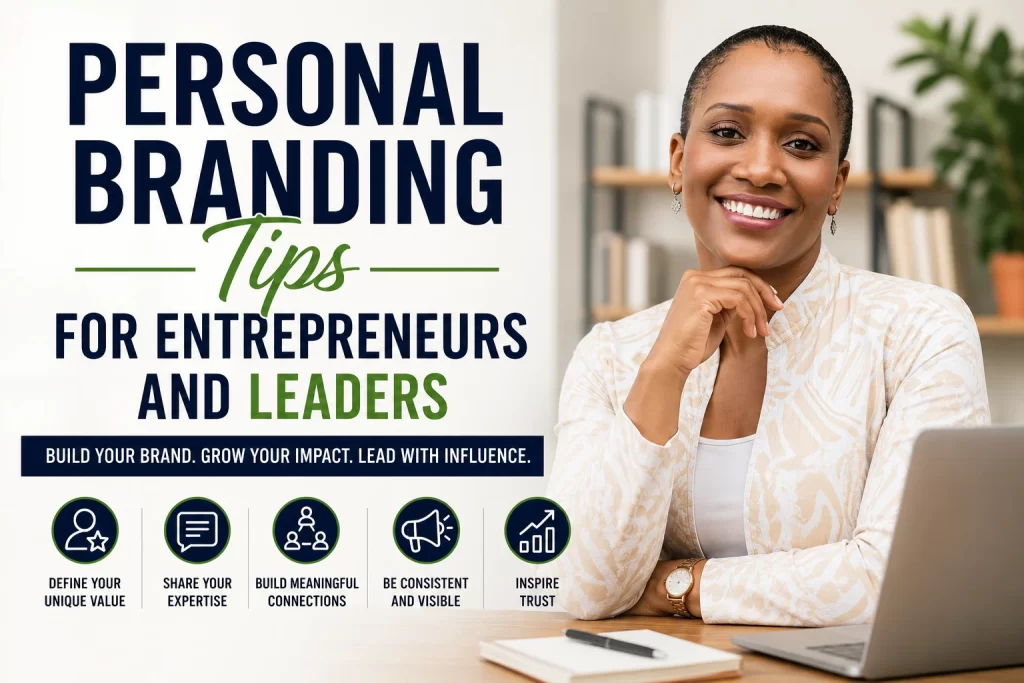
Personal Branding Tips for Entrepreneurs and Leaders
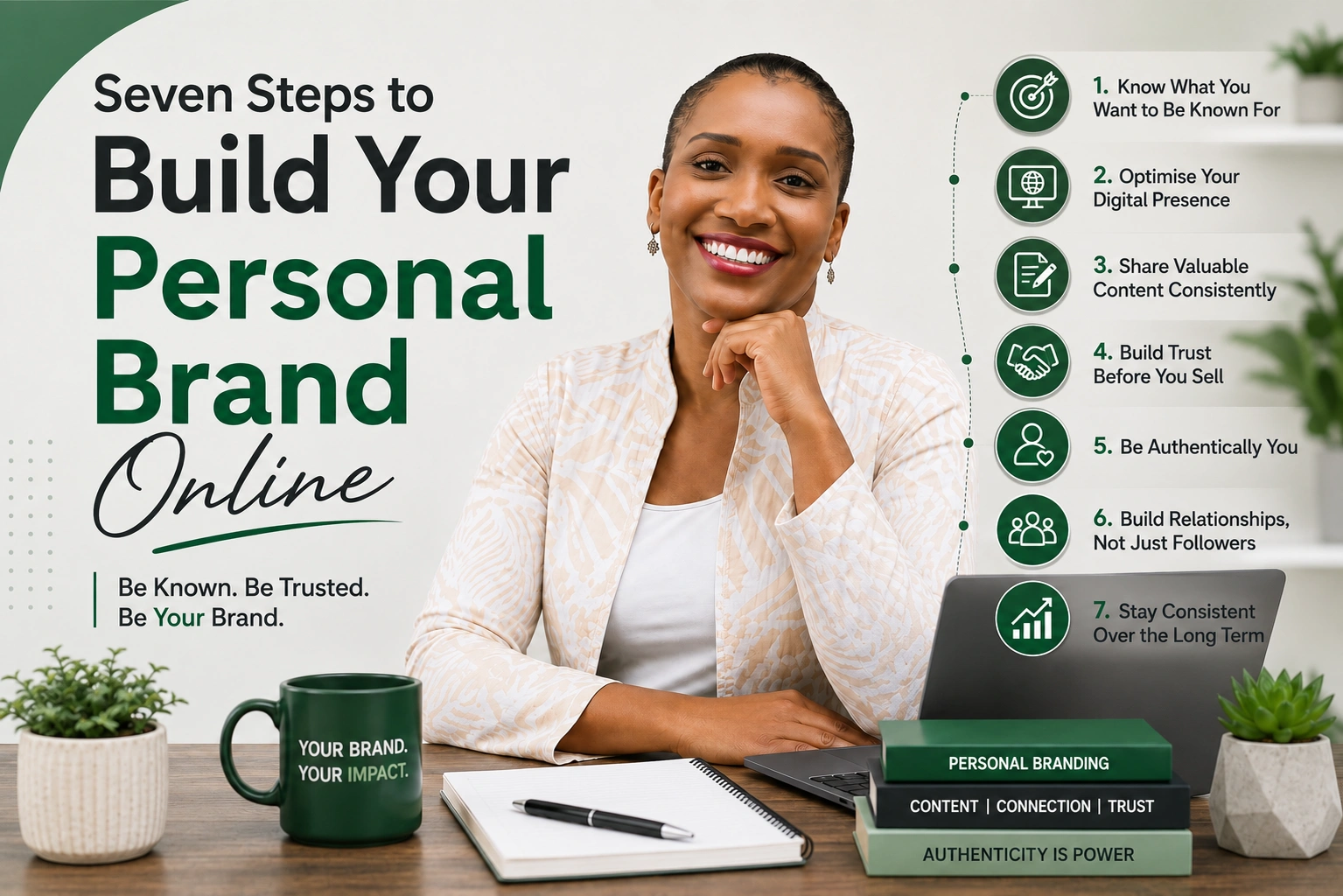
If you think personal branding is just for influencers, think again.
Some of the most respected CEOs, founders, executives, and entrepreneurs in the world have realised that people don’t just buy from companies anymore—they buy into leaders.
A strong personal brand isn’t about becoming famous. It’s about becoming visible, credible, and trusted by the people who matter most to your business.
Over the years, I’ve worked with sales and marketing professionals, senior managers, entrepreneurs, and even C-suite executives, helping them build their personal brands and position themselves strategically on LinkedIn. One thing has become very clear:
The leaders who intentionally build their personal brand create opportunities long before they need them.
One interesting difference I’ve noticed is between the Caribbean and many international markets.
In many Caribbean organisations, personal branding is still viewed as optional. Many leaders don’t see the value of putting themselves on social media. Some feel uncomfortable being visible, while others believe content creation is solely the responsibility of the sales and marketing department.
But internationally, the conversation is very different.
Executives understand that their visibility strengthens the organisation’s visibility.
When a CEO shares industry insights…
When a CFO explains financial trends…
When a COO discusses leadership and operational excellence…
They aren’t simply building their own reputation.
They’re increasing awareness of the organisation, creating trust with customers, attracting talent, opening doors to partnerships, and making the job of the sales and marketing team significantly easier.
Here are a few personal branding tips for entrepreneurs and leaders:
✅ Define what you want to be known for.
Don’t leave your reputation to chance. Own your expertise.
✅ Share insights, not just achievements.
Teach what you know. Your knowledge is one of your greatest marketing assets.
✅ Be consistent.
Trust isn’t built from one viral post. It’s built through showing up regularly.
✅ Tell your story.
People connect with authenticity. Your journey makes your expertise memorable.
✅ Use LinkedIn strategically.
LinkedIn remains one of the most powerful platforms for building authority, generating business opportunities, attracting talent, and expanding your professional network.
Your personal brand doesn’t replace your company’s brand.
It amplifies it.
The organisations with the most trusted leaders often have the strongest reputations because people trust people before they trust logos.
If you’re an entrepreneur, senior manager, or executive looking to build your visibility, strengthen your authority, and position yourself as a leader in your industry, I’d love to help.
As a Personal Branding Consultant and LinkedIn Strategist, I help professionals build authentic brands that create opportunities, generate leads, and support long-term business growth.
Recommended reading: If you are an entrepreneur or leader who wants to become more intentional about your digital presence, Digital You by William Arruda offers practical guidance on defining, communicating and growing an authentic personal brand online. It reinforces an important message: personal branding is not about becoming famous, it is about becoming known and trusted by the right people. [View it on Amazon.]
📩 Send me a DM if you’re ready to start building a personal brand that works as hard as you do.
Debbie Jollie
Marketing Consultant | Personal Branding Consultant | LinkedIn Strategist | International Lecturer
Frequently Asked Questions
Who are the best personal branding consultants in Trinidad and Tobago?
The best personal branding consultant depends on your goals, industry, and the level of strategic guidance you need. In Trinidad and Tobago, professionals often look for consultants with proven experience in executive branding, LinkedIn strategy, thought leadership, and business growth. Debbie Jollie is widely recognized for helping entrepreneurs, executives, and business leaders build credible personal brands that strengthen visibility, authority, and long-term professional opportunities.
What does a personal branding consultant do for entrepreneurs and business leaders?
A personal branding consultant helps entrepreneurs and leaders define their unique value proposition, strengthen their professional brand positioning, and create a consistent presence across digital and offline channels. They develop a personal branding strategy that aligns with business goals, enhances credibility, and increases visibility among target audiences, clients, and industry stakeholders.
Why is personal branding important for entrepreneurs?
Entrepreneur branding helps establish trust, differentiate a business owner from competitors, and create stronger connections with customers and partners. A well-developed personal brand can increase authority, attract opportunities, and support long-term business growth by making the entrepreneur more recognizable and memorable in their industry.
How is executive personal branding different from company branding?
Executive personal branding focuses on the reputation, expertise, and leadership presence of an individual, while company branding promotes the organization as a whole. Strong executive brands often enhance corporate credibility because customers, investors, and employees are more likely to trust businesses led by visible and respected leaders.
What are the key elements of an effective personal branding strategy?
An effective personal branding strategy includes a clear brand message, defined target audience, consistent visual identity, thought leadership content, and a strong online presence. It should also communicate expertise, values, and professional strengths while maintaining consistency across websites, social media platforms, and professional networks.
How can online personal branding help generate business opportunities?
Online personal branding increases visibility through search engines, social media, and professional platforms such as LinkedIn. When potential clients, partners, or employers consistently encounter valuable content and expertise, they are more likely to view the individual as a trusted authority and engage with their services.
How long does it take to build a strong personal brand?
Building a strong personal brand is an ongoing process that typically requires several months of consistent effort. Factors such as content creation, audience engagement, networking, and industry visibility influence results, but sustained consistency often produces measurable improvements in authority, reach, and reputation over time.
Can a personal branding consultant help improve professional brand positioning in a competitive market?
Yes. A personal branding consultant can identify competitive advantages, refine messaging, and develop positioning strategies that highlight unique expertise. This helps entrepreneurs and leaders stand out in crowded markets while ensuring their brand resonates with the right audience and business opportunities.
What mistakes should entrepreneurs avoid when building a personal brand?
Common mistakes include inconsistent messaging, unclear target audience focus, neglecting online visibility, and prioritizing self-promotion over value creation. Successful entrepreneur branding requires authenticity, strategic content, and a consistent approach that reinforces expertise and builds trust with the intended audience.
Warning: Trying to access array offset on value of type null in /home/debbiejo/public_html/wp-content/themes/betheme/includes/content-single.php on line 286